Spaced Repetition for Long-Term Memory: What It Is and How to Use It
You practice something today, feel solid on it, then come back in two weeks and it's gone. That's not a discipline problem. It's how memory actually works, and spaced repetition for long-term memory is the fix that cognitive scientists have been testing for over a century.
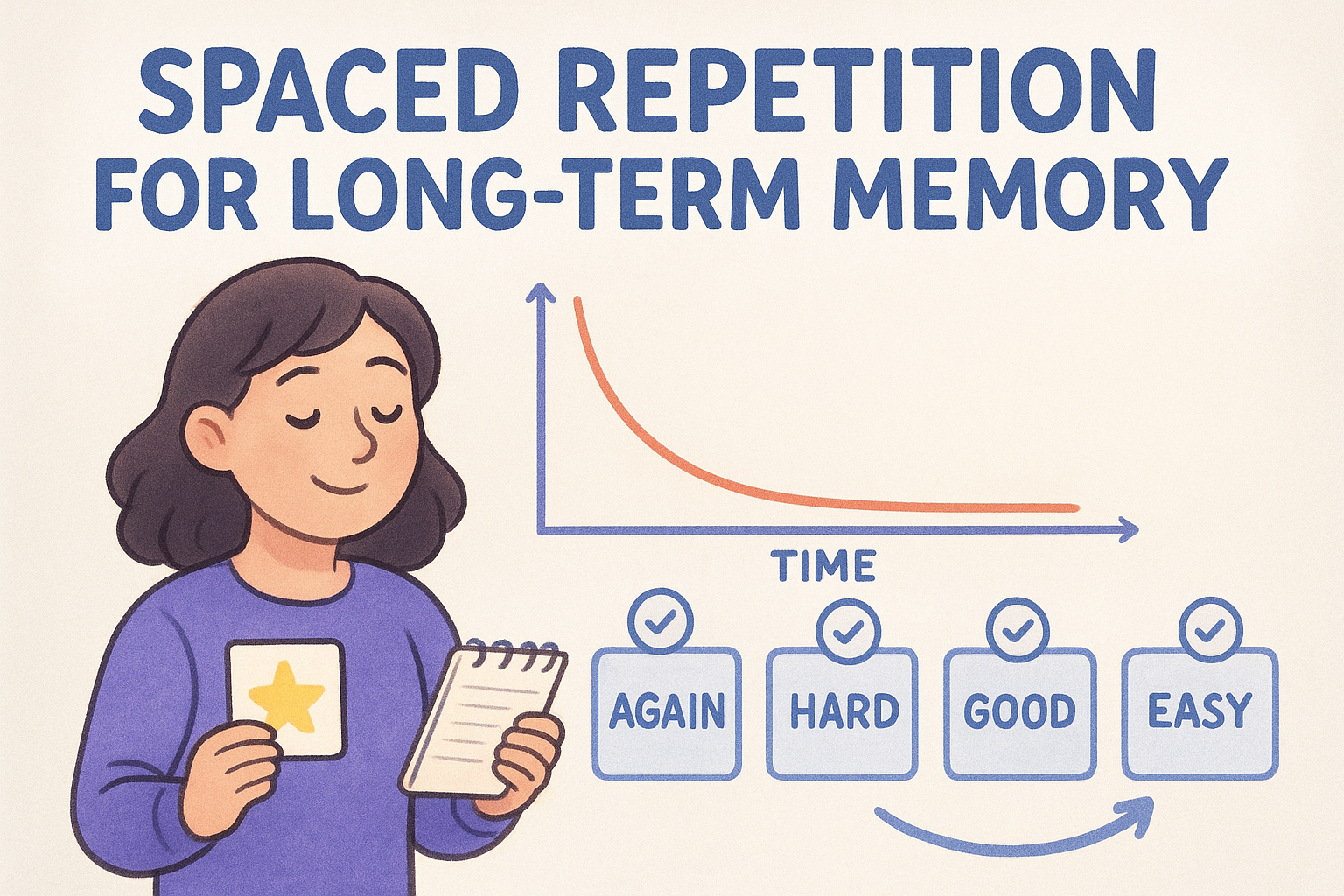
Here's the direct answer: spaced repetition means reviewing information or a skill at increasing intervals, timed to hit right before you'd naturally forget it. Each successful recall pushes the next review further out, so you spend less time on things you already know and more time on what's actually fading. This is grounded in how the forgetting curve maps memory decay, and algorithms like SM-2 turn that theory into an actual schedule you can follow instead of guessing.
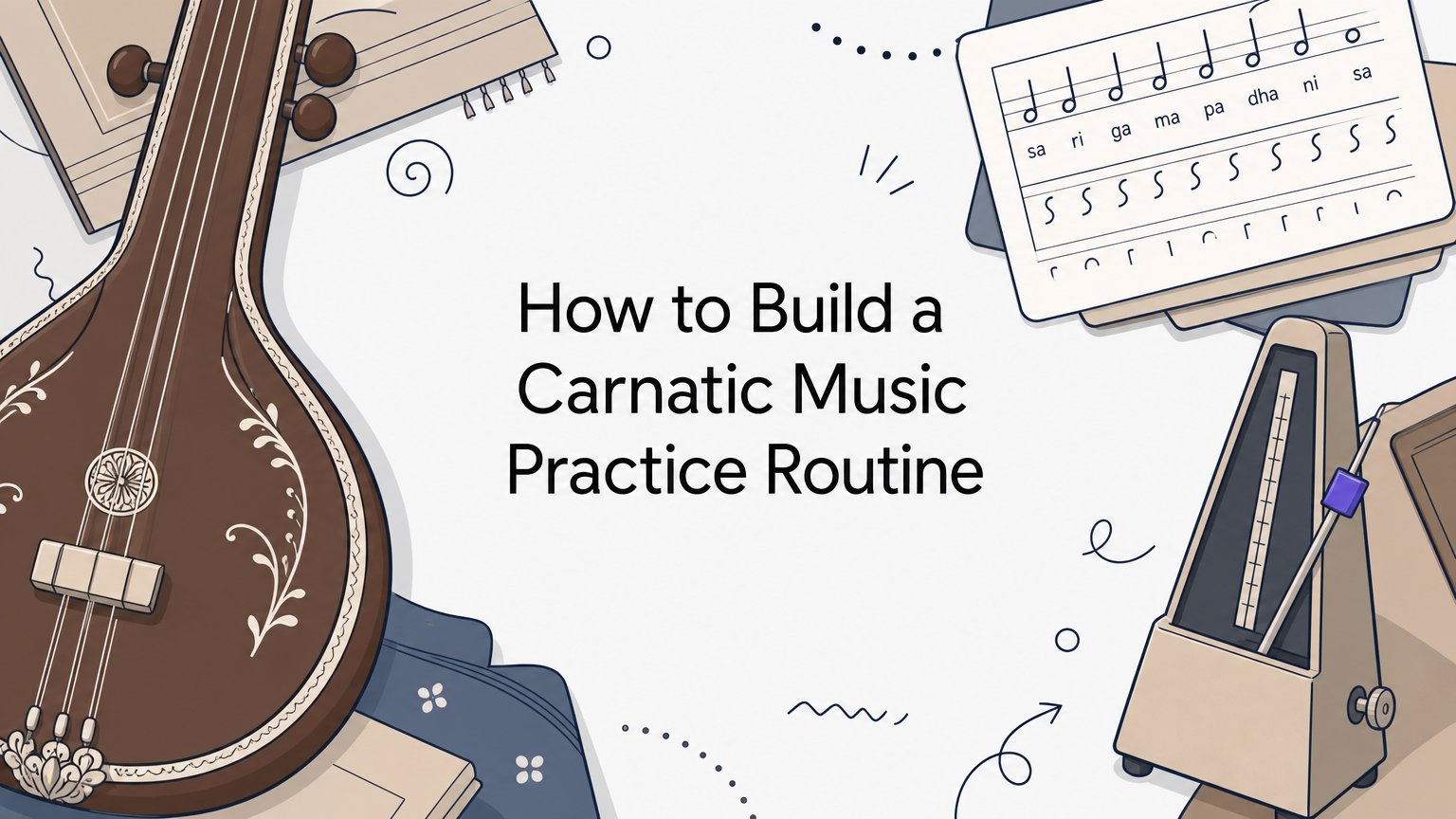
This article breaks down what spaced repetition is, why it beats cramming or random review, and how to apply it beyond flashcards, including practical skills like music practice, where you're not memorizing facts but reinforcing motor patterns and technique. You'll see exactly how to build a routine around it.
Why spaced repetition matters for long-term memory
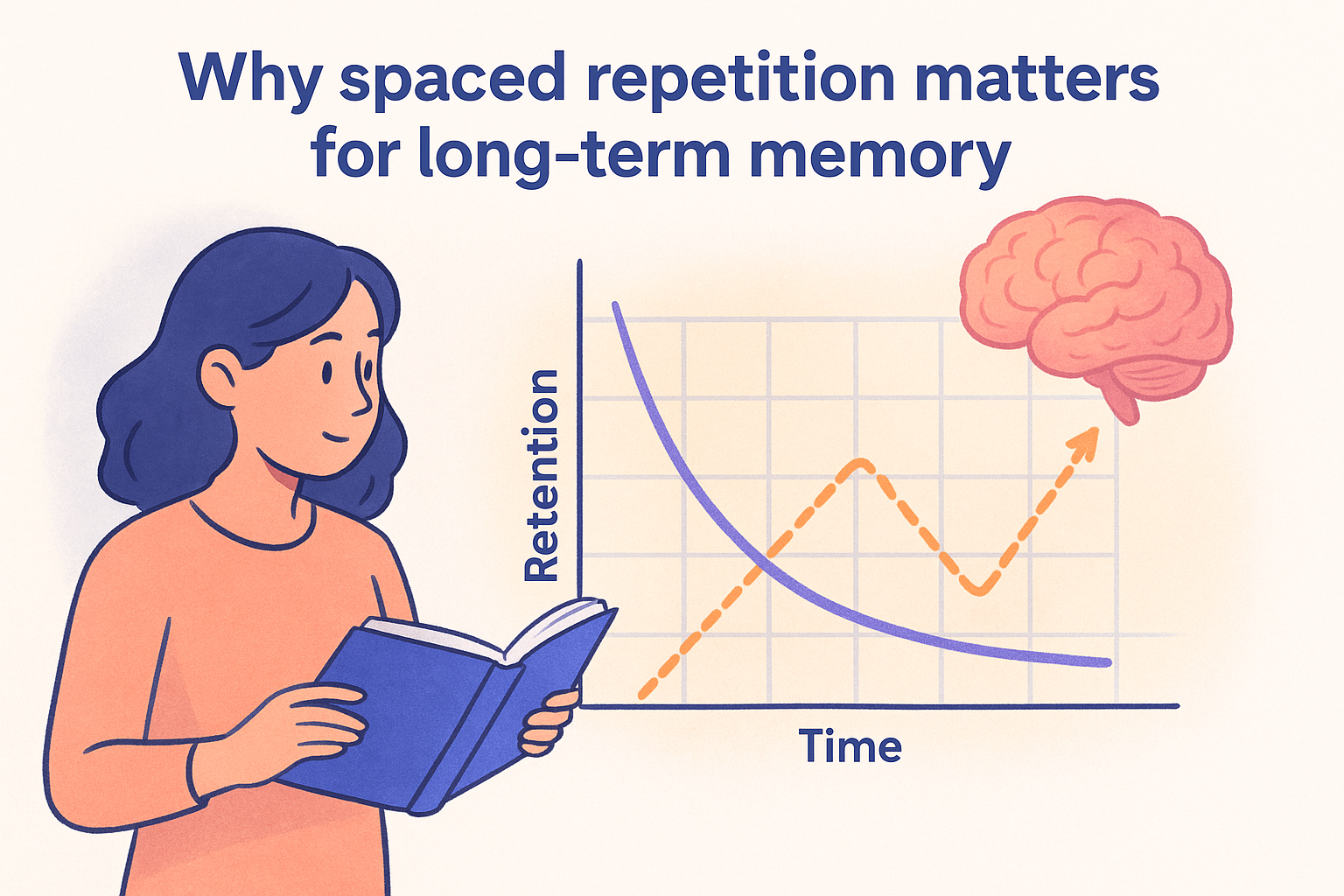
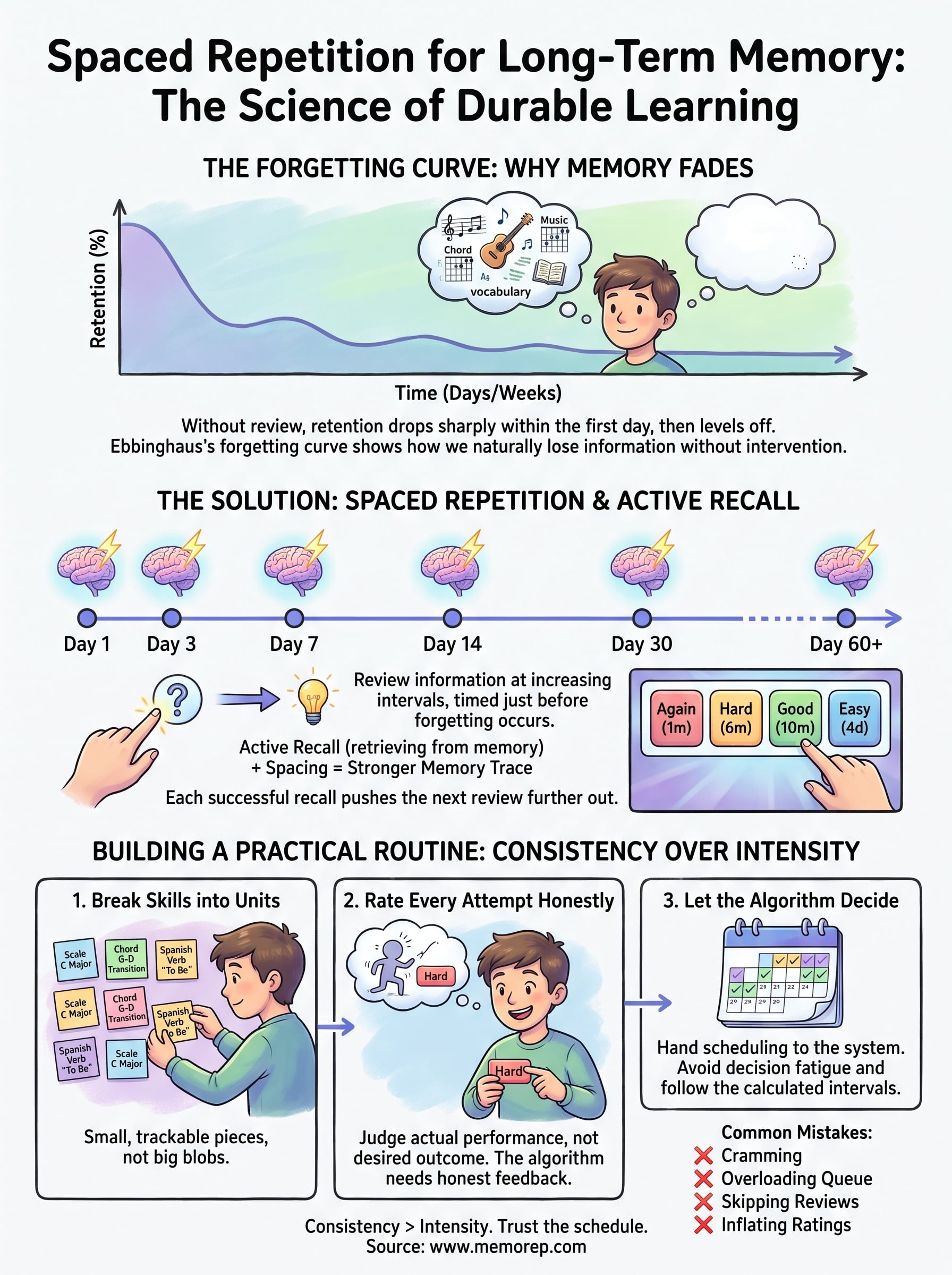
Memory doesn't fail randomly. It follows a predictable decay pattern that Hermann Ebbinghaus mapped out in the 1880s using nothing but nonsense syllables and his own recall tests. He found that retention drops sharply within the first day after learning something new, then levels off into a slower decline. Without any review, you might retain barely 30% of new material after a week. The curve isn't pessimistic, it's just honest about how brains work. Once you see your own forgetting as a curve rather than a personal failing, the whole problem changes shape: you're not trying to "remember better," you're trying to interrupt decay at the right moment.
The spacing effect is one of psychology's most replicated findings
Researchers have tested the spacing effect across decades, subjects, and skill types, and it keeps holding up. A widely cited meta-analysis from Cepeda and colleagues, published through the National Institutes of Health, reviewed over 250 studies and found that distributed practice consistently outperformed massed practice (cramming) for long-term retention, sometimes by a factor of two or more on delayed tests. That gap gets wider the longer you wait before testing recall. Cramming can make you feel ready for tomorrow's exam or tomorrow's rehearsal, but it does almost nothing for what you'll remember in a month.
Spacing doesn't just slow forgetting, it rebuilds the memory trace every time you succeed at recall, which is why it beats cramming for anything you need to keep.
Why active recall does the heavy lifting
Spacing alone isn't the whole story. What actually strengthens memory is the act of retrieving the information or skill from memory, not just being exposed to it again. Cognitive scientist Robert Bjork calls this a "desirable difficulty": the slight struggle of recalling something just before you'd forget it is what makes the memory stronger, not weaker. This is why re-reading notes or replaying a piece of music on autopilot does far less than actually testing yourself on it. Active recall paired with the right spacing interval is the combination that produces durable, long-term memory rather than a temporary feeling of familiarity.
Beyond facts: why this matters for practical skills too
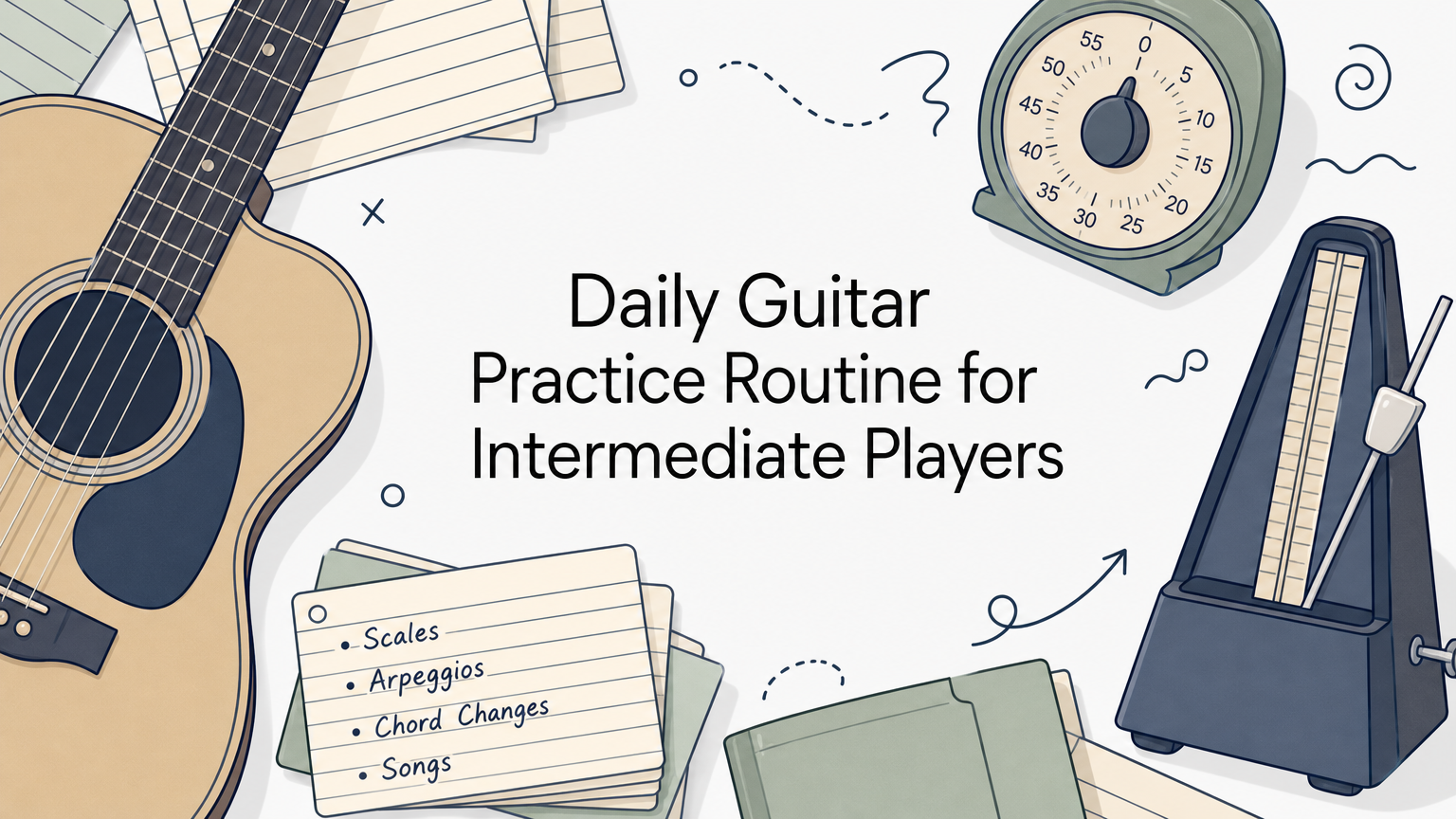
Definitions of spaced repetition often stop at flashcards and vocabulary, but the same forgetting curve applies to motor learning and technique, not just declarative facts. A guitarist who nails a chord transition in Tuesday's practice session but doesn't touch it again for three weeks will find their fingers have forgotten the muscle memory just as thoroughly as a language learner forgets vocabulary. The forgetting curve doesn't care whether what's fading is a fact or a physical pattern. Musicians, athletes, and other skill practitioners often assume repetition itself is enough, but repetition without spacing intervals wastes time relearning things that could have been maintained with a five-minute review at the right moment.
What poor spacing costs you
Without a system, most people default to one of two failure modes: they over-review things they've already mastered because it feels productive, or they forget to revisit weaker material until it's essentially gone. Both waste time. Here's what that looks like in practice:
| Practice approach | What happens over time |
|---|---|
| No review schedule | Skills fade unpredictably; you rediscover gaps only when you fail |
| Random re-practice | Time gets wasted on material you already know well |
| Cramming before a deadline | Short-term performance looks fine, long-term retention collapses |
| Spaced, recall-based review | Retention holds steady with far less total practice time |
That last row is the entire argument for building spaced repetition into a practice routine deliberately, rather than hoping consistency alone will cover the gap. The next section shows exactly how to structure that routine, whether you're managing dozens of scales and pieces or any other skill that decays if you leave it alone too long.
How to apply spaced repetition to your practice routine
Theory is easy to nod along with. Applying spaced repetition for long-term memory to an actual practice routine means turning a vague intention ("I should revisit that") into a concrete system with specific units, honest feedback, and a schedule you actually follow. The good news is that the mechanics are the same whether you're a musician managing a repertoire, a climber maintaining technique, or anyone else holding onto a practical skill that decays without attention.
Break your practice into discrete, reviewable units
Start by splitting whatever you're working on into small, trackable pieces instead of one big blob called "practice." A guitarist shouldn't have one entry called "guitar," they need separate items for each scale, chord transition, and piece section. This is the same logic behind a practice card system: each card represents one skill or exercise small enough to rate honestly after a single attempt. Vague, oversized units are the number one reason people abandon spaced repetition before it pays off, because you can't schedule what you haven't defined.
Rate every attempt honestly
After each review, judge how the attempt actually went, not how you wish it went. Most spaced repetition software uses a simple four-point scale:
- Again: you missed it or it fell apart, review it again soon
- Hard: you got through it, but it was shaky
- Good: solid execution, on schedule
- Easy: no hesitation, push the next review further out
The schedule is only as good as the honesty behind each rating, so grade the attempt you actually had, not the one you hoped for.
Inflating your rating to feel good defeats the entire point. If you mark a shaky chord transition as "Good" because you're tired of practicing it, the algorithm pushes it further out than it should, and it'll be gone by the time you circle back.
Let the algorithm decide, not your mood
Once you have units and honest ratings, hand the scheduling decision to the system instead of your memory or motivation. This is exactly the gap a platform like MemoRep is built to close: you log practice cards, rate each attempt, and the underlying algorithm calculates when that specific card should resurface, so you're never guessing which of thirty exercises needs attention today. Deciding what to practice manually every session is where decision fatigue creeps in, and it's usually the first thing to break down once your list of skills grows past a handful.
Following the schedule, even on days you'd rather freestyle, is what separates people who actually retain skills long-term from people who practice a lot but keep relearning the same things. Consistency in following the system matters more than the intensity of any single session.
Spaced repetition intervals and schedules explained
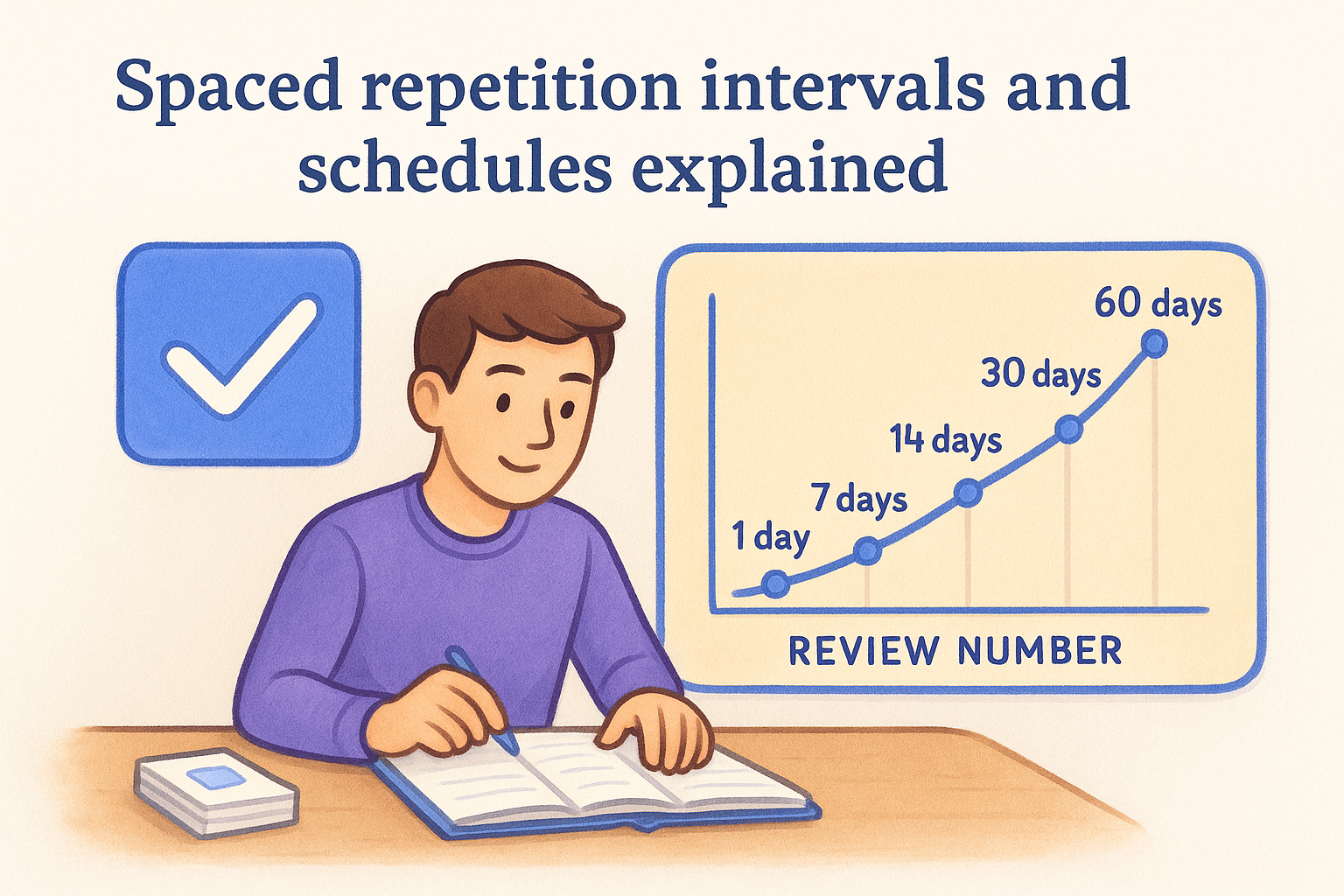
Numbers make this concrete. Spaced repetition doesn't ask you to guess how long to wait between reviews, it calculates an interval based on how you performed last time and how many times you've already succeeded with that specific piece of material. The SM-2 algorithm, developed by Piotr Wozniak in the late 1980s for SuperMemo, is still the backbone of most modern spaced repetition tools, including the scheduling logic behind MemoRep. Understanding roughly how it works helps you trust the schedule instead of second-guessing it.
How the ease factor shapes your schedule
Every practice card carries an ease factor, a number that starts around 2.5 and shifts up or down depending on your ratings. Rate something "Easy" repeatedly and its ease factor climbs, stretching the gap between reviews further each time. Rate it "Hard" or "Again" and the ease factor drops, pulling that card back into rotation sooner. This is why two people practicing the same scale can end up on completely different schedules within a month, the algorithm is responding to their individual performance, not applying a generic timetable.
The interval isn't fixed, it's a direct reflection of how reliably you've actually recalled the skill, which is why two learners on the same material rarely end up on the same schedule.
A typical interval progression
Here's roughly what a new practice card looks like as it moves through successful reviews, assuming consistent "Good" ratings:
| Review number | Rating | Approximate next interval |
|---|---|---|
| 1 | Good | 1 day |
| 2 | Good | 3 days |
| 3 | Good | 7 days |
| 4 | Good | 14 days |
| 5 | Good | 30 days |
| 6 | Good | 60+ days |
A single "Again" rating anywhere in that sequence resets the interval back down, sometimes all the way to the next-day review, because the algorithm treats a failed recall as evidence the memory trace weakened more than expected. That reset isn't a punishment, it's the system correcting course before the gap gets too wide.
Why fixed schedules don't work as well
Compare this to a fixed schedule, like reviewing everything every Sunday regardless of how it went. Fixed intervals treat mastered material and shaky material identically, which wastes time on the former and under-serves the latter. Adaptive scheduling solves this by letting each card move at its own pace: things you've nailed repeatedly drift out to monthly or longer checks, while anything still shaky stays in near-daily rotation until it stabilizes. Over weeks and months, this produces a practice queue that's always weighted toward what actually needs your attention that day, rather than a static checklist that ignores your real performance. That's the practical payoff of letting an algorithm run the schedule instead of your memory of what you did last week.
Common mistakes that undermine spaced repetition
Knowing the theory doesn't protect you from the habits that quietly wreck it. Most people who give up on spaced repetition for long-term memory don't fail because the method is flawed, they fail because they drift into a handful of predictable errors that cancel out the benefits before the schedule ever gets a chance to work.
Treating every session as a fresh cram
Squeezing ten reviews into one long weekend session and calling it "spaced" defeats the purpose entirely. Spacing requires actual gaps of time between attempts, not just multiple exposures packed into a single sitting. Bunching reviews together might feel productive, but it produces the same shallow, short-lived retention as any other study technique that doesn't work.
Spacing without a real gap in time isn't spacing, it's cramming with extra steps.
Overloading the queue
Adding dozens of new practice cards at once buries you under a review pile that becomes impossible to keep up with honestly. When the daily queue balloons past what you can realistically attend to, people start rushing through reviews or skipping the ones that feel tedious, which quietly breaks the whole system. Introduce new material gradually, a few cards a week, so the queue stays manageable as older cards mature into longer intervals.
Skipping reviews when life gets busy
Missing a single review isn't fatal, but treating the schedule as optional the moment things get hectic is. Once you fall a week behind, the backlog compounds: cards that were due for review pile up alongside new ones, and the gap between when you should have practiced something and when you actually do it grows wide enough that you're relearning instead of reinforcing. Consistency, even in short five-minute sessions, beats occasional long sessions squeezed in whenever motivation shows up.
Grading on how you feel instead of how it went
Rating a shaky attempt as "Good" because you're tired of seeing that card, or because you want the satisfaction of pushing it further out, sabotages the entire scheduling algorithm. It has no way to know the rating was inflated, so it simply schedules based on bad data. The same distortion happens in reverse when people mark solid attempts as "Hard" out of excessive caution, which clutters the queue with reviews that weren't actually necessary.
| Mistake | What it does to your schedule |
|---|---|
| Cramming multiple reviews in one sitting | Mimics massed practice, weak long-term retention |
| Adding too many new cards at once | Queue becomes unmanageable, honesty drops |
| Skipping reviews for days or weeks | Backlog grows, intervals lose meaning |
| Inflating or deflating ratings | Algorithm schedules based on false data |
Each of these mistakes is fixable once you notice it, and none of them require abandoning the method, just tightening how consistently and honestly you run it.
Making repetition work for you
Spaced repetition isn't a productivity trick, it's a corrective for how memory actually decays. Once you accept the forgetting curve as a fact of biology rather than a personal failing, the fix is straightforward: break your skills into reviewable units, rate each attempt honestly, and let an algorithm decide when to bring them back. That combination beats cramming, beats random practice, and beats trying to hold a growing list of skills in your head through willpower alone.
None of this requires perfection. It requires consistency and honest ratings, applied over weeks and months, on units small enough to track. That's the whole system, whether you're maintaining scales, chord transitions, or any other practical skill that fades if you leave it alone too long.
If you'd rather not build and track this by hand, see the algorithm behind MemoRep's practice scheduling and try it while free access is still open.